


As a homeowner in Farmers Branch, TX, you know that pipe leaks can cause significant damage if left unchecked. It’s important to be proactive in identifying and addressing these issues. From spotting early warning signs to scheduling professional leak detection, there are effective strategies to manage this common problem. Let’s explore these expert tips to help you safeguard your home and your wallet.
Identify the Signs of a Leak
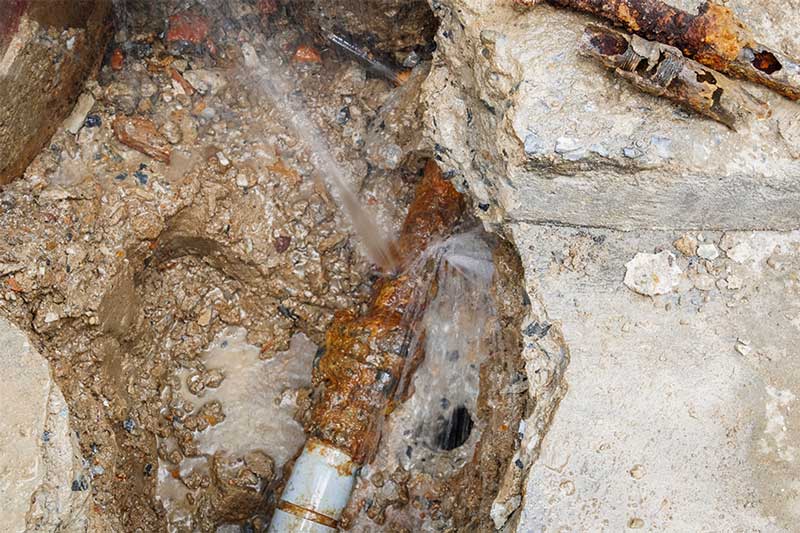
When you suspect a leak, it’s crucial to act quickly to prevent further damage to your home. Start by checking for obvious signs, like water stains on ceilings or walls, which can indicate a leak within pipes.
Pay attention to damp spots on the floor or an unexpected increase in your water bill—these can also signal hidden leaks. You might hear unusual sounds like dripping or running water, even when no fixtures are in use.
Inspect areas under sinks, around appliances, and near your water heater for moisture or mold growth. Don’t forget to check your yard; pooling water or unusually lush patches may indicate an underground leak. Installing a water leak sensor can also provide early alerts and help you catch problems before serious damage occurs.
Regularly checking these signs can save you from costly repairs and extensive damage. If you notice any of these indicators, it’s time to call a professional. Trust My Local Plumber to provide the reliable service you need to address the issue promptly.
Shut Off the Water Supply
When you discover a pipe leak, the first thing you need to do is shut off the water supply.
Locate the main water valve in your home and turn it off to prevent further damage.
After that, check for any remaining leaks to ensure you’ve effectively addressed the issue.
Locate Main Water Valve
Have you ever found yourself in a plumbing emergency, unsure of where to shut off the water? Knowing how to locate your main water valve can save you from a disaster.
Here’s what to look for:
- Basement or Crawl Space: Check near the front wall, often close to the floor.
- Outside: Sometimes, it’s located near the house’s foundation, typically in a box.
- Garage: Look near the water heater or where the water line enters.
- Kitchen: If all else fails, it may be hidden under the sink.
Finding this valve can turn chaos into calm.
When a leak strikes, you’ll be ready to act quickly and protect your home.
Turn Off Water Supply
Shutting off the water supply is essential during a plumbing emergency to prevent further damage.
Once you’ve located the main water valve, turn it clockwise until it stops. This action halts the flow of water and protects your home from flooding and costly repairs.
Don’t forget to inform your family members about the situation, so they’re aware of the water shutdown.
If you can’t find the main valve or it’s stuck, check for any shut-off valves near the affected fixtures, like sinks or toilets. These can also help control the water flow and minimize damage.
Acting quickly can save you time and money, so don’t hesitate—shut off the water supply as soon as you detect a leak.
Check for Remaining Leaks
After turning off the water supply, it’s important to check for any remaining leaks in your plumbing system.
You don’t want to miss anything that could lead to further damage or costly repairs later.
Here’s how to guarantee your home stays leak-free:
- Inspect visible pipes – Look for any signs of moisture or water stains.
- Check faucets and fixtures – Turn them on and off to see if water leaks continue.
- Monitor your water meter – If it’s still moving, there may be an unseen leak.
- Listen for sounds – Pay attention to any unusual hissing or dripping noises.
Taking these steps helps protect your home and saves you from future headaches!
Assess the Damage
Now that you’ve shut off the water supply, it’s time to assess the damage.
Start by identifying the leak’s location to determine its severity and then evaluate any structural impact it may have caused.
This step is essential to determine the best course of action for repairs.
Identify Leak Location
A sudden spike in your water bill or damp spots on your walls can signal a hidden leak in your plumbing system. To identify the leak’s location, take a systematic approach.
Start by checking these areas:
- Basements and Crawl Spaces: Look for puddles or moisture around pipes.
- Under Sinks: Inspect cabinets for water stains or mold growth.
- Bathrooms: Examine the toilet base and behind the shower for signs of water.
- Exterior Walls: Watch for peeling paint or wet spots that may indicate a leak inside.
Evaluate Structural Impact
While you’re pinpointing the leak, it’s vital to evaluate the structural impact it may have caused.
Look for signs of damage such as warped flooring, stained walls, or sagging ceilings. These could indicate that water has compromised the integrity of your home.
Don’t forget to check for mold or mildew, which can thrive in damp areas and pose health risks. In more severe cases where pipes are corroded or extensively damaged, a professional may recommend water line replacement instead of repeated repairs.
If you notice significant damage, it’s important to document everything with photos for insurance purposes.
Don’t hesitate to reach out to professionals like My Local Plumber, who can assess the situation and provide expert advice on repairs.
Addressing these issues quickly protects your home’s value and guarantees a safe living environment for you and your family.
Use Temporary Fixes
Sometimes, you might find yourself facing a sudden pipe leak that needs immediate attention. In such situations, using temporary fixes can save the day until you get professional help.
Here are four quick solutions to ponder:
- Duct Tape: Wrap duct tape tightly around the leak. It won’t be a permanent solution, but it can minimize water flow temporarily.
- Pipe Clamp: If you have a pipe clamp handy, place it over the leak to secure it. This can effectively reduce leakage until a plumber arrives.
- Rubber Patch: Cut a piece of rubber from an old hose or tire, and use it to cover the leak, securing it with a hose clamp.
- Plastic Bag: In a pinch, you can wrap a plastic bag around the leaky area and secure it with tape to catch drips.
These fixes can help you manage the situation until a professional can take over.
Gather the Right Tools
Before tackling a pipe leak, gathering the right tools is essential to guarantee a smooth and efficient repair process. Start with a pipe wrench, which will help you grip and turn the pipes easily.
You’ll also need a pair of pliers for smaller fittings and a hacksaw for cutting pipes if necessary. Don’t forget a bucket or towels to catch any water while you work.
Additionally, grab some plumber’s tape to seal threaded connections and prevent future leaks. A pipe repair clamp can also be handy for temporary fixes while you sort out a permanent solution.
Finally, keep a utility knife and some safety goggles nearby to protect yourself. With these tools in hand, you’ll be well-equipped to handle the leak and get your plumbing back in top shape.
Know When to Call a Professional
How do you know when it’s time to call in the experts for a pipe leak? While some minor leaks can be managed on your own, others require professional help.
Here are four signs that it’s best to bring in the pros:
- Persistent Water Damage: If you notice mold or water stains spreading, it’s a sign of a severe leak that needs immediate attention.
- Unusually High Water Bills: A sudden spike in your water bill can indicate a hidden leak that’s draining your wallet and needs professional diagnosis.
- Low Water Pressure: If you’re experiencing a drop in water pressure throughout your home, it could indicate a significant leak in the main service line. In many cases, this type of problem requires professional water main repair rather than a simple fixture or pipe fix.
- Unfamiliar Sounds: Gurgling or hissing noises from pipes suggest a problem that’s beyond a simple fix.
Trust your instincts—don’t hesitate to reach out to a qualified plumber in Farmers Branch, TX at My Local Plumber for expert help!
Prevent Future Leaks
To prevent future leaks, it’s essential to stay proactive with your plumbing maintenance.
Regularly inspect your pipes, especially in areas prone to temperature changes, like basements and attics. Look for any signs of corrosion or wear and tear, and replace aging pipes before they fail.
Don’t forget to check your water pressure; high pressure can stress your plumbing, leading to leaks. Installing a pressure regulator can help maintain ideal levels.
Also, insulate your pipes during colder months to prevent freezing and bursting.
Lastly, schedule routine inspections with a trusted plumbing professional, like My Local Plumber, who can catch potential issues early.
Conclusion
By staying vigilant and proactive, you can keep your home safe from the silent threat of leaks. Remember, a stitch in time saves nine; addressing issues early can save you from costly repairs down the road. Regular inspections, prompt action, and the right knowledge will empower you to tackle leaks head-on. Don’t wait for a drip to turn into a flood—make these expert tips part of your routine, and protect your home for years to come.