

My wife spent two years looking at bathtubs before we finally pulled the trigger on replacing our builder’s basic tub. Now she takes these hour-long baths and I barely see her on weekends. Best home improvement we ever did, according to her.
Installing a new bathtub is a bigger project than most people think. It’s not just swapping one for another, there’s plumbing, waterproofing, and sometimes structural work. But if you love baths or need something more functional, it’s worth doing right.
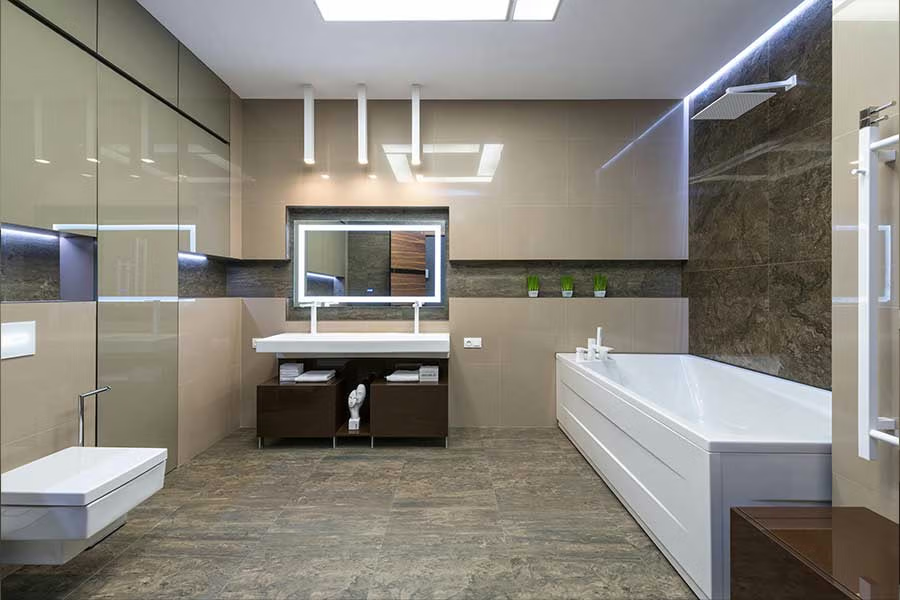
The first question is what you actually want. A quick bath for kids, a deep soak after work, or something accessible for aging in place.
Next is space. You cannot put a large tub in a small bathroom without sacrificing function. We measure carefully and confirm clearances.
Plumbing is another consideration. Moving drain locations adds cost. Using existing plumbing with minor adjustments is much more affordable.
Weight also matters. Large cast iron tubs can weigh hundreds of pounds empty and over a thousand pounds when filled. Floors sometimes need reinforcement.
First, we remove the old tub. This step is messy and sometimes challenging. Older tubs were often installed before walls were finished, so removal can require cutting or breaking them apart.
Next, we inspect the subfloor. Leaks around tubs are common, and damaged subfloors must be repaired before installing a new tub.
We update or relocate plumbing as needed and install the drain and overflow assemblies.
The tub is set carefully and leveled properly. Leveling is critical for drainage and appearance.
We secure the tub according to manufacturer’s specifications.
Waterproofing is installed using proper membranes and methods to prevent future damage.
Finally, we install the surround or tile, faucets, trim, and apply caulk correctly.
A basic tub replacement usually takes two to four days. Custom tile work adds time. Freestanding tubs with new plumbing can take a week or more.
Your bathroom will be out of service during the work, so plan accordingly if it is your only bathroom.
There will be noise, dust, and regular activity. We work to minimize disruption, but construction always comes with some inconvenience.


Many homeowners are converting tubs to showers, especially if the tub never gets used. We perform tub removal and full shower installations.
Before removing your only tub, consider resale value. Some buyers prefer having at least one bathtub, especially families with young children.
Jetted tubs provide comfort but require ongoing maintenance. The jet system must be cleaned regularly to prevent buildup.
They use more water, take longer to fill, and require dedicated electrical circuits.
They are a good option if you know you will use them regularly. Otherwise, they can become an expensive, unused feature.
Bathtub installation costs vary widely based on tub type and complexity.
Basic alcove tub replacement often ranges from 1500 to 2500 dollars.
Freestanding tubs with new plumbing can exceed $5000 dollars.
Custom tile work, upgraded fixtures, and accessories add to the overall cost.


A properly installed tub should last decades.
Maintain caulk and replace it when gaps appear. Fix leaks immediately. Keep drains clear. Use non-abrasive cleaners to protect finishes.
Cast iron tubs can last a lifetime with proper care. Acrylic and fiberglass tubs can last 30 years or more when maintained correctly.
Ready for a new bathtub? My Local Plumber at http://www.mylocalplumber.net can help you choose and install the right tub for your bathroom.
