

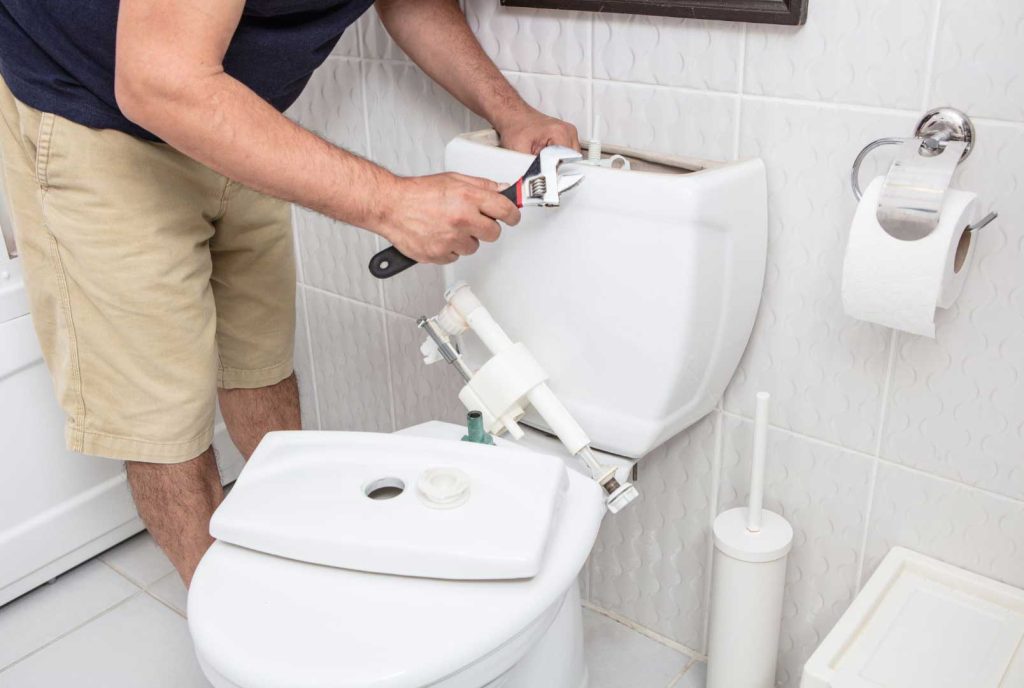
You might think that a few minor toilet issues are nothing to worry about, but ignoring them can lead to bigger problems down the line. If your toilet’s showing signs of wear, it’s essential to address them before they escalate. From persistent clogs to unpleasant odors, each warning sign can indicate a need for repair or even replacement. Identifying these signs early can save you time and money—let’s explore what to look out for.
Frequent Clogs and Blockages
Have you noticed your toilet frequently clogging or experiencing blockages? This can be more than just an inconvenience; it’s often a sign that something’s wrong.
You might find yourself reaching for the plunger more often than you’d like, and that’s frustrating. Frequent clogs could indicate a buildup of debris in your pipes, or it may show that your toilet’s flushing mechanism isn’t working properly.
Ignoring these signs can lead to bigger issues, such as overflowing toilets or extensive plumbing repairs. It’s important to pay attention to these warning signals.
Instead of dealing with the hassle, consider reaching out to a trusted local plumber in Las Colinas, TX. They can assess the situation, identify the root cause of the clogs, and recommend the best solution.
Constant Running Water
If you notice constant running water in your toilet, it could signal a hidden issue that needs attention.
Not only can this waste water and inflate your bill, but it’s crucial to weigh your repair options against a potential replacement.
Let’s explore the causes and how to tackle this problem effectively.
Causes of Constant Running
When your toilet constantly runs, it can be both annoying and costly, as it wastes water and drives up your bill. Several factors could be causing this issue, and identifying them can help you tackle the problem effectively.
Here are some common causes:
- Flapper Valve Issues: If the flapper isn’t sealing properly, water leaks into the bowl continuously.
- Chain Problems: A chain that’s too tight or too loose can prevent the flapper from closing completely.
- Float Malfunction: If the float is set too high, it may not stop the water from filling the tank.
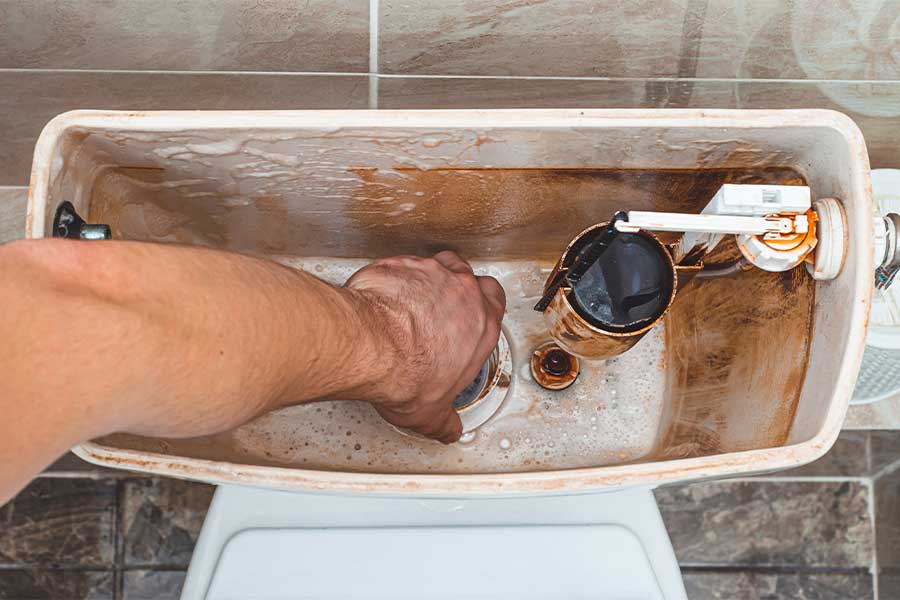
- Corroded Parts: Over time, internal components can corrode, leading to leaks and constant running.
Addressing these issues promptly can save you time and money.
Impact on Water Bill
Even a small issue like a constantly running toilet can considerably impact your water bill, leading to unexpected costs each month.
When water continuously flows, you’re not just wasting resources; you’re also watching your expenses climb. It’s surprising how quickly those gallons add up, potentially increasing your bill by tens or even hundreds of dollars.
You mightn’t even notice the gradual rise until it hits your wallet hard. Plus, an ongoing leak can signal other plumbing issues, which could compound your costs.
Regularly check for signs of a running toilet, and don’t hesitate to take action. Addressing the problem early can help you avoid those unwanted surprises and keep your water bill in check.
Repair vs. Replacement Options
A constantly running toilet can leave you unsure whether to fix it or replace it, and in many cases a timely toilet repair can resolve the issue quickly and efficiently.
It’s important to evaluate the situation before making a decision. Here are some factors to take into account:
- Age of the Toilet: Replacement might be more cost-effective if it’s over 10 years old.
- Extent of Damage: Minor issues like a faulty flapper can be repaired easily, while significant leaks may require a replacement.
- Water Efficiency: Newer models are often more efficient, saving you money long-term.
- Repair Costs: If repairs exceed half the cost of a new toilet, it’s time to think about replacing it.
Taking these factors into consideration can help you make the best choice for your home.
Cracks or Damage to the Toilet Bowl
If you notice any cracks or damage to your toilet bowl, it’s time to take a closer look.
Even small cracks can lead to leaks and bigger issues down the line.
Keep an eye out for signs of damage, as addressing them early can save you from costly repairs later on.
Types of Cracks
When you notice cracks in your toilet bowl, it’s important to act quickly, as these damages can lead to leaks and more significant issues.
Understanding the types of cracks can help you determine the best course of action. Here are four common types:
- Hairline Cracks: These are minor and often superficial, but they can worsen over time.
- Surface Cracks: These cracks penetrate deeper and might indicate structural weakness.
- Vertical Cracks: Running from the top to the bottom, these cracks can compromise the bowl’s integrity.
- Horizontal Cracks: Often caused by pressure, these can lead to significant leakage if not addressed.
If you see any of these cracks, it’s wise to consult a professional to assess the damage.
Signs of Damage
Cracks in your toilet bowl can signal underlying issues that require immediate attention. If you notice any visible damage, it’s crucial to inspect further.
Even small cracks can lead to leaks, causing water damage and higher utility bills. Pay close attention to any discoloration around the base or persistent dampness on the floor—these could indicate a leak stemming from cracks.
Additionally, if you hear unusual sounds while flushing or notice your toilet isn’t holding water, it’s time to act. Ignoring these signs can result in more extensive damage, leading to costly repairs or even a full replacement.
Don’t hesitate; contact My Local Plumber for a thorough assessment and prompt solutions to keep your bathroom in top shape.
Water Pooling Around the Base
One common sign that your toilet needs attention is water pooling around its base.
If you notice this issue, it’s important to act quickly. Standing water can lead to damage, mold, and costly repairs.
Here are a few potential causes you should consider:
- Loose Bolts: The bolts securing the toilet may be loose, allowing water to escape.
- Wax Seal Failure: The wax seal between the toilet and the floor could be damaged, leading to leaks.
- Cracked Toilet: A crack in the toilet bowl itself can cause water to seep out.
- Condensation: In some cases, high humidity can lead to condensation forming around the toilet.
If you identify pooling water, don’t hesitate to reach out to a professional plumber.
Ignoring the problem can result in bigger issues down the line.
Unpleasant Odors
If you’re noticing unpleasant odors coming from your toilet, it’s often a sign that something’s amiss. This smell could indicate a problem with the wax seal at the base, a clogged vent pipe, or even a hidden leak. Ignoring these odors won’t make them go away and could lead to bigger issues down the line.
First, check the area around the toilet for any leaks or moisture. If everything looks dry, the issue might be deeper within the plumbing system.
A foul smell can also result from a buildup of waste or debris in the trap, which might require a thorough cleaning.
Don’t hesitate to call in a professional plumber if the odors persist. At My Local Plumber, we’ve got the experience to pinpoint the problem and provide a lasting solution.
Taking action sooner rather than later can save you from costly repairs and keep your bathroom smelling fresh.
Weak Flushing Power
When your toilet struggles to flush properly, it’s not just an annoyance—it can signal underlying issues that need attention.
Weak flushing power might lead to clogs and overflows if left unchecked. Here are some common causes you should consider:
- Clogged Trap or Drain: Build-up in the toilet trap or drain can restrict water flow.
- Low Water Level: Insufficient water in the tank affects the flush’s strength. Check the float mechanism.
- Worn Flapper Valve: A deteriorating flapper can lead to incomplete flushing, causing weak performance.
- Blocked Rim Holes: Mineral deposits in the rim holes can obstruct water flow during a flush.
If you notice weak flushing power, address it quickly. Ignoring the problem could lead to more significant plumbing issues that require professional help.
Don’t hesitate to call My Local Plumber for an assessment!
Old Age of the Toilet
Weak flushing power can often signal issues, but it may also point to the old age of your toilet. If your toilet’s been around for decades, it might be time to contemplate a replacement.
Older models often lack efficiency and can lead to higher water bills. Stains and cracks in the porcelain can also develop over time, indicating wear and tear.
You might notice that repairs are becoming more frequent, and those costs can add up. An aging toilet may not only struggle with flushing but can also be more susceptible to leaks.
If you’re constantly plunging or dealing with persistent clogs, it’s a sign that the age of your toilet is catching up with it.
Investing in a new toilet can improve your bathroom’s performance and water efficiency. In some remodels, homeowners also choose alternative fixtures such as a bidet or professional urinal installation to add convenience and modern functionality to the space. Modern plumbing fixtures use less water while delivering better performance, making them a smart upgrade for your home.
Conclusion
If you’re noticing any of these seven warning signs, don’t ignore them. You might think fixing a toilet is just a minor hassle, but delaying repairs can lead to bigger issues and higher costs down the line. Addressing problems early not only saves money but also improves your bathroom’s efficiency and comfort. And if problems are recurring or the fixture is outdated, it may be the right time to consider bathroom remodeling along with necessary repairs or replacement. Don’t wait—your toilet deserves attention!