



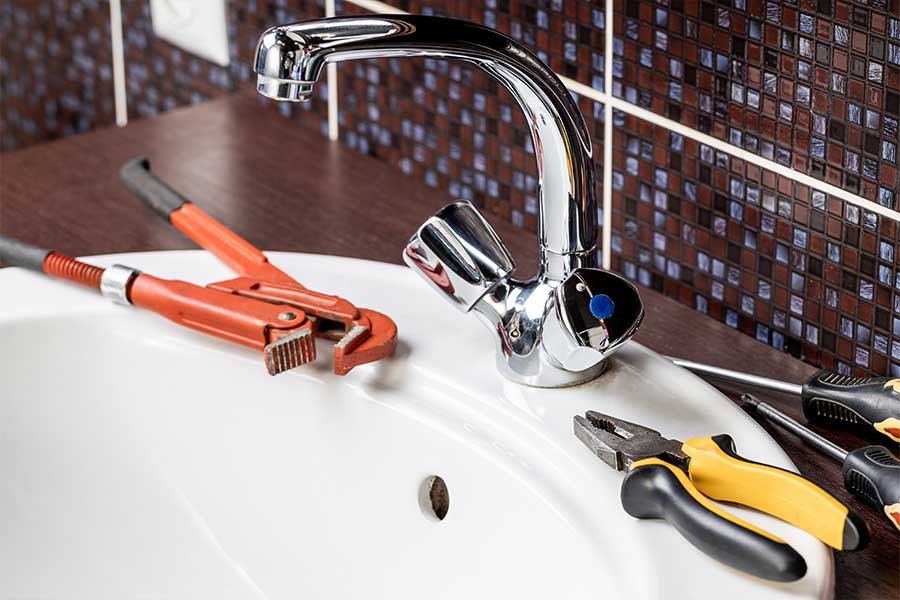
A dripping faucet is like a leaky faucet of your patience, slowly wearing you down. When you’re faced with common faucet problems in Farmers Branch, it’s crucial to tackle them efficiently to restore your peace at home. You can take control of the situation by understanding how to identify issues and knowing the right tools. Let’s explore the steps to guarantee your faucet works smoothly again.
Identifying Common Faucet Issues
When you notice water dripping from your faucet or hear a constant hissing sound, it is important to identify the issue quickly. These common problems usually stem from worn washers, loose fittings, or damaged O rings.
A dripping faucet often points to a faulty washer, while hissing may signal a leak in the supply line, so check for loose connections or cracks if you see water pooling under the sink. Do not ignore these warning signs because they can lead to higher water bills and possible home damage, and unusual noises during use may indicate air in the lines or other hidden issues.
For added protection, homeowners also consider water leak sensor installation to detect moisture early and help prevent costly water damage.
Tools Needed for Faucet Repairs
To tackle faucet repairs effectively, you’ll need a few essential tools on hand.
First, grab a basin wrench; it helps you reach those hard-to-access nuts under the sink. A standard adjustable wrench is also vital for loosening and tightening fittings.
You’ll want a set of screwdrivers—both flathead and Phillips—to remove handles and other components. Don’t forget pliers; they’re handy for gripping and twisting parts.
A utility knife can be useful for cutting away any old tape or seals. Additionally, a towel or rag will help keep the area clean and dry.
A cartridge puller might be necessary if you’re working with a cartridge-style faucet. Finally, make sure you have some plumber’s tape and replacement washers or O-rings, as they’re often needed during repairs.
With these tools ready, you’ll be well-equipped to address your faucet issues efficiently.
Step-by-Step Guide to Fixing Leaks
With your tools ready, fixing leaks in your faucet can become a straightforward task. First, turn off the water supply to prevent further dripping.
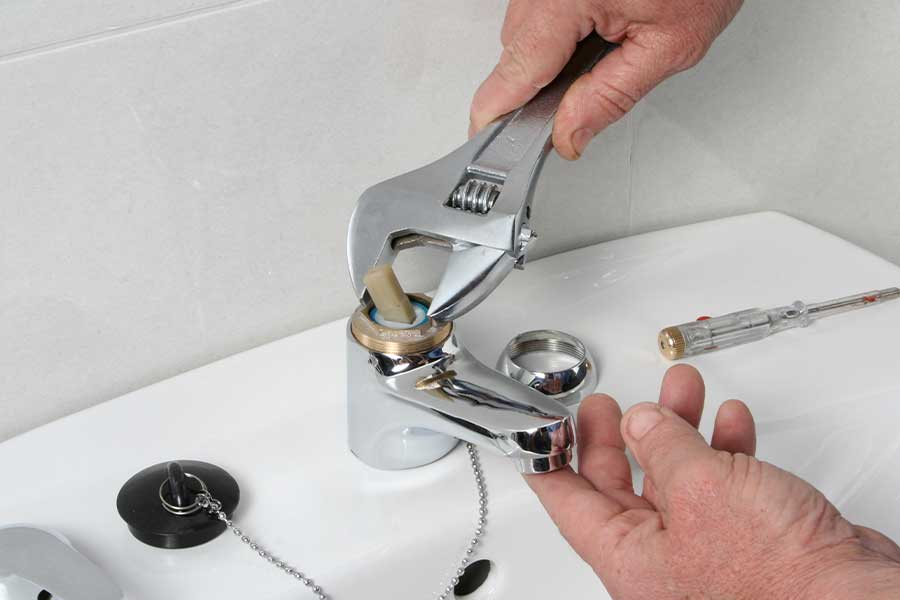
Next, remove the faucet handle by loosening the screw under the cap. You can access the cartridge or washer once you’ve taken off the handle. Inspect these components for wear or damage; replacing a worn washer often resolves leaks.
If your faucet has a cartridge, pull it out and replace it with a new one. Note the orientation to install it correctly.
Reassemble the faucet by reversing your steps, ensuring everything fits snugly. Once everything’s back in place, turn the water supply back on slowly.
Run the faucet and observe closely for leaks. If there’s still a leak, you may need to consult a professional plumber in Farmers Branch, like My Local Plumber, for further assistance.
Resolving Low Water Pressure Problems
Low water pressure can be frustrating, especially when you’re trying to enjoy a soothing shower or fill a pot quickly.
First, check if the issue affects all faucets or just one. If it’s just one, a clogged aerator might be to blame. Unscrew it, clean out any debris, and reattach it.
Inspect your home’s water shut-off valves if that doesn’t solve the problem. Sometimes, they’re partially closed, restricting flow. Make certain they’re fully open.
Another potential culprit is your plumbing system. Look for leaks or kinks in the pipes that could slow down water flow.
If you’re still struggling, sediment buildup in your water heater could affect pressure, so consider flushing it out.
For persistent issues beyond simple fixes, don’t hesitate to call My Local Plumber. With over 25 years of experience, we’re ready to help you restore that invigorating water pressure you deserve.
Replacing Faucet Components for Optimal Performance
When your faucet starts leaking or isn’t functioning properly, replacing worn components can make a world of difference in its performance.
Begin by turning off the water supply and opening the faucet to relieve pressure. Next, check the washer, O-rings, and cartridge, as these are common culprits for leaks. If they’re frayed or damaged, replace them with new ones that match your faucet model. Use plumber’s grease on O-rings for a better seal.
Don’t forget to inspect the aerator, too. Mineral buildup can restrict water flow, so unscrew it, clean it thoroughly, and replace it if necessary.
After reassembling the faucet, turn the water back on and test for leaks. If you’ve done this and the faucet still doesn’t work right, consider calling a professional like My Local Plumber. Their experienced plumber can help guarantee your faucet runs smoothly again, keeping your plumbing in top shape.
Conclusion
To sum up, tackling faucet troubles in Farmers Branch does not have to be intimidating. With a little patience and the right tools, you can often stop small leaks and get your faucet working again. Remember, a well tended faucet runs smoother and sounds better. If the fixture is worn out or keeps giving you problems, scheduling professional faucet installation in Farmers Branch is a practical way to upgrade your plumbing and enjoy reliable performance.