

Low water pressure can be frustrating, especially when it seems to happen without warning. One day your shower feels normal, and the next it takes twice as long to rinse off or fill a sink. While low water pressure is sometimes caused by temporary issues with the municipal water supply, it can also be a sign that something inside your plumbing system needs attention.
Knowing what causes sudden drops in water pressure can help you determine whether the issue is a simple fix or if it’s time to call a professional plumber.
1. A Hidden Plumbing Leak
One of the most common causes of sudden low water pressure is a hidden leak somewhere in your plumbing system. Even a small leak can reduce the amount of water reaching your faucets, showers, and appliances.
Signs of a hidden leak may include:
- Unexpectedly high water bills
- Wet spots on floors or walls
- The sound of running water when fixtures are turned off
- Damp areas in your yard
Hidden leaks should be addressed quickly to prevent water damage and additional plumbing problems.
2. A Faulty Pressure Regulator
Many homes have a pressure-reducing valve, also called a pressure regulator, installed where the main water line enters the property. If this device begins to fail, it can suddenly reduce water pressure throughout the entire home.
If every faucet and shower experiences the same drop in pressure, the pressure regulator may be the cause.
3. Mineral Buildup from Hard Water
Hard water is common throughout North Texas. Over time, calcium and other minerals accumulate inside faucet aerators, showerheads, and plumbing pipes, gradually restricting water flow.
While buildup usually develops slowly, a piece of mineral scale can sometimes break loose and partially block a fixture, making the loss of water pressure seem sudden.
4. A Partially Closed Water Valve
If your home’s main shutoff valve or water meter valve is only partially open, water flow into the property may be restricted. This can happen after plumbing repairs or maintenance when a valve isn’t fully reopened.
Fortunately, this is often one of the easiest causes of low water pressure to correct.
5. Municipal Water Supply Issues
Sometimes the problem isn’t inside your home at all. Water main repairs, nearby construction, or increased neighborhood demand can temporarily reduce water pressure supplied by the city.
If several neighbors are experiencing the same issue, it’s worth contacting your local water provider to determine whether maintenance or other work is affecting your area.
6. Corroded Plumbing Pipes
Older homes with galvanized steel pipes often experience reduced water pressure as corrosion gradually builds up inside the pipe walls. Over time, the opening inside the pipe becomes smaller, restricting water flow throughout the plumbing system.
If your home has older plumbing and water pressure has been declining over time, repiping may eventually become the most effective long-term solution.
7. Problems Affecting a Single Fixture
If only one faucet or shower has low water pressure, the problem is often isolated to that fixture rather than the entire plumbing system.
Common causes include:
- Clogged faucet aerators
- Mineral buildup inside showerheads
- Worn faucet cartridges
- Damaged fixture components
These problems can often be repaired without affecting the rest of the home’s plumbing.
How Plumbers Diagnose Low Water Pressure
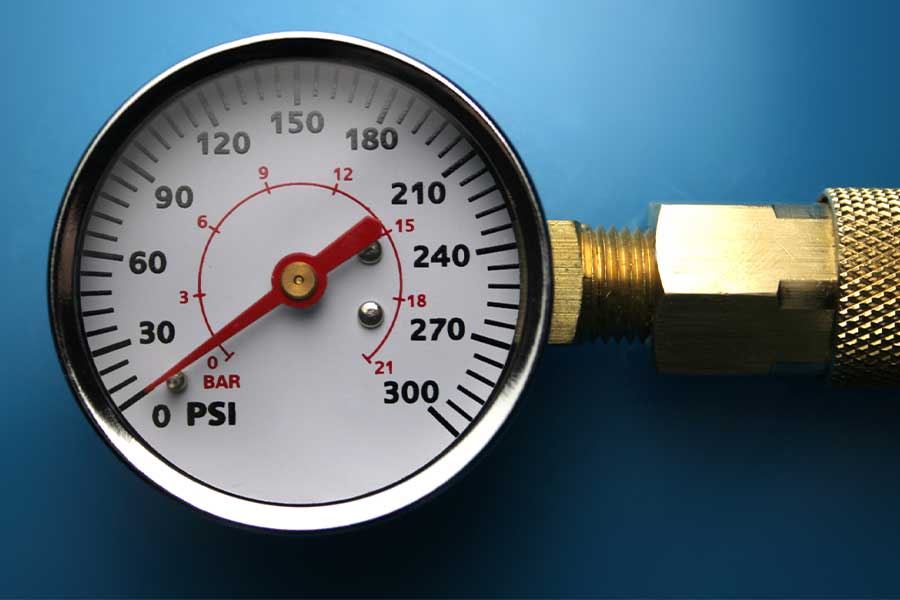
Finding the source of low water pressure starts with a thorough plumbing inspection. Professional plumbers typically measure water pressure, inspect valves and pressure regulators, check for hidden leaks, evaluate the condition of the plumbing system, and determine whether the issue affects a single fixture or the entire property.
Accurately identifying the cause ensures the correct repair is made without unnecessary work.
Can Low Water Pressure Be Prevented?
While some causes are unavoidable, routine plumbing maintenance can help reduce the likelihood of water pressure problems. Periodically cleaning faucet aerators and showerheads, repairing leaks promptly, monitoring water pressure, and replacing aging plumbing components before they fail can all help keep your plumbing system performing efficiently.
When Should You Call a Plumber?
If your water pressure suddenly drops throughout your home, continues getting worse, or is accompanied by leaks, discolored water, or unusual plumbing noises, it’s time to schedule a professional inspection. Ignoring low water pressure can allow underlying plumbing issues to become more serious over time.
If you’re experiencing reduced water pressure, learn more about our low water pressure repair services in Carrollton. Our experienced plumbers can identify the cause of the problem and restore reliable water flow to your home or business.