

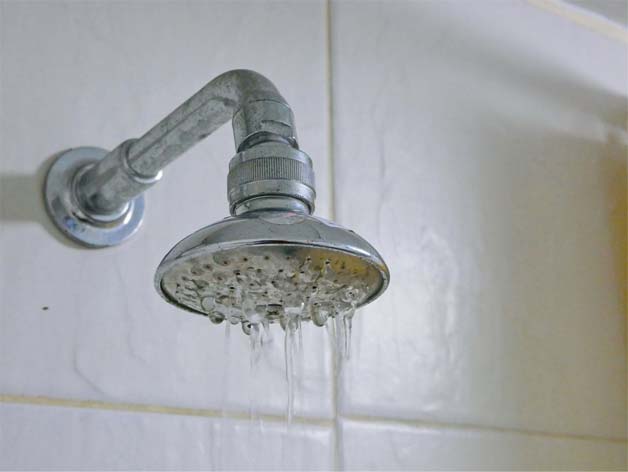
If you live in an older home and have noticed weak showers, slow-filling sinks, or reduced water flow throughout the house, aging plumbing may be to blame. While low water pressure can have many causes, older homes often experience unique plumbing issues that gradually restrict water flow over time.
Understanding what’s causing the problem is the first step toward restoring consistent water pressure and preventing more serious plumbing issues in the future.
Aging Galvanized Pipes
Many homes built before the 1970s were constructed with galvanized steel water pipes. While these pipes were once considered durable, they naturally corrode from the inside out as they age.
Over time, rust and mineral deposits accumulate along the interior walls of the pipe, reducing the amount of space available for water to flow. Eventually, water pressure can become noticeably weaker throughout the home.
Unfortunately, once galvanized pipes become heavily corroded, cleaning them typically isn’t a permanent solution. Repiping is often the most effective long-term repair.
Mineral Buildup from Hard Water
North Texas is known for hard water, which contains naturally occurring minerals like calcium and magnesium. As water flows through your plumbing system year after year, these minerals can build up inside pipes, faucet aerators, showerheads, and plumbing fixtures.
In older homes, decades of mineral buildup can significantly reduce water flow, especially if the plumbing system has never been updated.
Failing Pressure Regulators
Many older homes have pressure-reducing valves installed on the main water line. These regulators control the amount of water pressure entering the home and help protect plumbing fixtures from excessive pressure.
As these devices age, internal components wear out and may no longer maintain consistent water pressure. When a pressure regulator begins to fail, homeowners often notice a sudden or gradual drop in water pressure throughout the house.
Hidden Plumbing Leaks
Older plumbing systems are more susceptible to leaks caused by corrosion, worn fittings, and deteriorating pipe materials. Even small leaks hidden behind walls, beneath floors, or underground can reduce water pressure while increasing water usage and utility bills.
If low water pressure appears suddenly or is accompanied by unexplained moisture, damp drywall, or unusually high water bills, a hidden plumbing leak may be the cause.
Partially Closed Water Supply Valves
Sometimes the problem is much simpler. If your home’s main shutoff valve or water meter valve is not fully open after plumbing work or maintenance, it can restrict water flow throughout the house.
This is one of the first things professional plumbers check during a low water pressure inspection.
Outdated Plumbing Design
Many older homes were designed when households used far less water than they do today. Running multiple showers, dishwashers, washing machines, and other plumbing fixtures at the same time may place greater demand on an older plumbing system than it was originally designed to handle.
If water pressure drops whenever several fixtures are operating simultaneously, undersized water supply piping may be contributing to the problem.
Corroded Shutoff Valves and Fixtures
It’s not always the pipes themselves. Older shutoff valves, faucets, and shower valves can develop corrosion and mineral deposits that restrict water flow at individual fixtures.
If only one sink or shower has low pressure while the rest of the home functions normally, the issue may be isolated to that specific fixture.
How Professional Plumbers Diagnose Low Water Pressure
Finding the source of low water pressure requires more than simply measuring water flow at a faucet. A professional plumbing inspection may include:
- Testing water pressure throughout the home
- Inspecting pressure regulators
- Checking shutoff valves
- Evaluating pipe materials and condition
- Looking for hidden plumbing leaks
- Inspecting faucets and showerheads for mineral buildup
Identifying the exact cause allows the correct repair to be made without unnecessary work or expense.
Can Low Water Pressure Be Fixed?
In many cases, yes. The appropriate solution depends on what’s causing the problem.
Common repairs include:
- Cleaning faucet aerators and showerheads
- Replacing worn pressure regulators
- Repairing hidden plumbing leaks
- Replacing corroded shutoff valves
- Installing a water pressure booster system when needed
- Repiping aging galvanized plumbing systems
A professional evaluation can help determine which solution will provide the best long-term results.
Restore Reliable Water Pressure
Low water pressure doesn’t have to become part of living in an older home. Whether the issue is caused by aging pipes, mineral buildup, hidden leaks, or a failing pressure regulator, addressing the problem early can improve the performance of your plumbing system while helping prevent more costly repairs in the future.
If your older home is experiencing weak water pressure, learn more about our low water pressure repair services in Carrollton. Our experienced plumbers can identify the cause and recommend the right solution to restore strong, dependable water flow throughout your home.