



Many homeowners in Farmers Branch, TX, overlook simple repairs that could drastically cut water heating costs. You might not realize that adjusting your thermostat or flushing the tank can make a big difference. These small changes can improve efficiency and extend your water heater’s life. Curious about other budget-friendly repairs that can keep your hot water flowing without emptying your wallet? Let’s investigate the top ten affordable options together. When you need expert assistance, trusted Farmers Branch water heater specialists are ready to help you maintain optimal performance.
Assessing Your Water Heater’s Performance
How can you tell if your water heater is performing at its finest? Start by checking the temperature of your water. If it’s lukewarm or fluctuating, something’s off.
Listen for odd noises like popping or rumbling, which might indicate sediment buildup. Additionally, watch for leaks around the tank; even small puddles can signal a bigger issue.
Pay attention to your energy bills, too. A sudden spike could mean your heater is working harder than it should.
Finally, think about how long it takes for hot water to reach your taps. If it’s taking longer than usual, you might need to assess the system.
Regular maintenance can help guarantee peak performance and extend the life of your water heater. If you notice any of these signs, it’s best to call in a professional to evaluate the situation and recommend affordable repairs tailored to your needs.
Checking the Thermostat Settings
When it comes to your water heater, checking the thermostat settings is essential for maximum performance.
You want to make sure it’s set to the ideal temperature, usually around 120°F, to balance comfort and safety.
If you’re experiencing issues, troubleshooting the thermostat can often resolve the problem quickly.
Ideal Temperature Settings
To guarantee your water heater operates efficiently and safely, it’s crucial to check the thermostat settings regularly.
The ideal temperature for your water heater is typically around 120 degrees Fahrenheit. This setting provides enough hot water for daily needs while minimizing the risk of scalding and reducing energy consumption.
If your thermostat is set higher, you might be wasting energy and increasing your utility bills. On the other hand, if it’s set too low, you may not have enough hot water for showers or washing dishes.
Take a moment to adjust your thermostat to this preferred range, ensuring comfort and cost-effectiveness. Regular checks will help maintain both performance and safety in your home.
Troubleshooting Thermostat Issues
Thermostat issues can lead to inconsistent water temperatures and increased energy costs, so it’s essential to troubleshoot them promptly.
Start by checking your thermostat settings to guarantee they’re correctly set. If you find the temperature is too low, simply adjust it to your preferred level, typically around 120°F for maximum efficiency.
Next, inspect the thermostat for any signs of damage or corrosion. If it’s malfunctioning, you might need a replacement.
Don’t forget to check the power supply; sometimes, a tripped breaker can cause issues.
Finally, consider resetting the thermostat if it has a digital display.
If problems persist, reach out to a professional like My Local Plumber for expert help. Your hot water shouldn’t be a hassle!
Flushing the Tank to Remove Sediment
Flushing the tank to remove sediment is an essential maintenance step that helps prolong the life of your water heater. Over time, minerals and debris build up at the bottom of your tank, leading to decreased efficiency and potential damage.
By flushing it regularly, you keep your heater running smoothly and extend its lifespan.
To flush the tank, start by turning off the power or gas supply. Connect a garden hose to the drain valve at the bottom of the tank and run it to a nearby drain or outside. Open the valve and let the water flow out until it runs clear, indicating that sediment has been removed.
It’s a good idea to do this annually to maintain peak performance.
If you’re unsure or uncomfortable performing the flush, don’t hesitate to call My Local Plumber. Our experienced team can handle the job, ensuring your water heater stays in great shape.
Inspecting and Replacing the Anode Rod
Maintaining your water heater involves more than just flushing the tank; inspecting and replacing the anode rod is just as important for its longevity.
The anode rod, typically made of magnesium or aluminum, protects your tank from corrosion. Over time, this rod will corrode, so it’s necessary to check it every few years.
To inspect the rod, turn off the power and water supply, then drain some water from the tank. Unscrew the rod from the top of the tank and examine it. If it’s less than 1/2 inch thick or completely gone, it’s time to replace it.
Installing a new anode rod is a straightforward task that can greatly extend your water heater’s life and efficiency. For complex issues or if you need professional water heater repair, don’t hesitate to contact experienced technicians.
Taking these steps not only keeps your water heater running smoothly but also saves you money on costly repairs or replacements down the line.
Fixing Leaks in Connections and Pipes
When you notice water pooling around your water heater or dripping from connections and pipes, it’s crucial to address the issue quickly to prevent further damage.
Start by identifying the source of the leak. Check connections, joints, and pipes for any signs of wear or corrosion. Tightening loose fittings can often solve minor leaks. If that doesn’t work, you might need to replace washers or O-rings, which are common culprits.
For larger leaks, cutting away damaged sections of the pipe and replacing them with new ones can be a more permanent solution. Don’t forget to use the appropriate sealant on threaded connections to guarantee a tight seal.
If you’re unsure, calling a professional, like those at My Local Plumber, can save you time and make certain the job’s done right.
Replacing a Faulty Heating Element
A faulty heating element can leave you with lukewarm showers and frustrating wait times for hot water. If you notice your water’s not heating properly, it’s time to investigate.
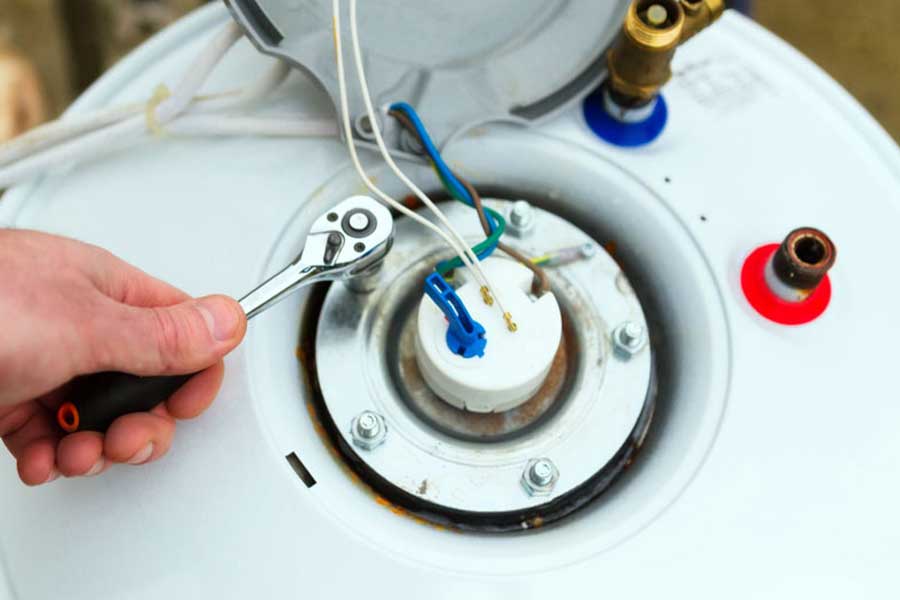
First, turn off the power supply to your water heater for safety. Then, check the heating element for signs of damage or corrosion. You may need a multimeter to test for continuity; if it shows no continuity, it’s definitely time for a replacement.
Replacing the heating element isn’t overly complicated. Drain the tank partially, unscrew the old element, and install the new one, guaranteeing a tight seal.
Refill the tank before turning the power back on. If you’re unsure about any step, don’t hesitate to call a professional.
At My Local Plumber, our experienced team is ready to help make sure you get back to enjoying hot water without delay. Your comfort is our priority!
Insulating Your Water Heater
Insulating your water heater can save you money on energy bills and extend its lifespan.
You’ll find various materials available for insulation, and knowing the best options can make a big difference.
Plus, with a few simple installation tips, you can improve your water heater’s efficiency in no time.
Benefits of Insulation
Although many homeowners overlook it, insulating your water heater can lead to significant benefits, including lower energy bills and increased efficiency.
By taking this simple step, you can protect your investment and enjoy more consistent hot water.
Here are some emotional perks of insulation:
- Save Money: Watch your energy bills drop, leaving extra cash for what truly matters.
- Comfort: Enjoy hot water when you need it, without unexpected cold surprises.
- Environmentally Friendly: Reduce energy consumption and lower your carbon footprint.
- Longevity: Help extend the lifespan of your water heater, delaying costly replacements.
With insulation, you’re not just making a practical choice; you’re enhancing your home’s comfort and sustainability.
Don’t miss out on these advantages!
Materials for Insulation
When it comes to insulating your water heater, choosing the right materials is key to maximizing efficiency and savings.
Start with fiberglass insulation, which is affordable and effective at reducing heat loss. You can also consider foam insulation, which provides a tight seal and minimizes energy waste.
Reflective insulation can work well, especially in sunny areas, as it reflects heat away from the tank.
Moreover, pre-cut water heater blankets are available, designed specifically for this purpose; they’re easy to install and offer excellent insulation.
No matter what material you choose, make certain it fits snugly around your heater and covers all exposed areas.
Installation Tips and Tricks
How can you ensure your water heater is properly insulated for maximum efficiency? Start by adding an insulation blanket designed for water heaters, which can considerably reduce heat loss.
Ensure you seal any gaps around the pipes with foam insulation. Remember to keep the heater’s temperature set between 120°F and 140°F for ideal performance.
Here are some emotional benefits of proper insulation:
- Lower energy bills that won’t empty your wallet
- Consistent hot water when you need it most
- Peace of mind knowing you’re saving energy
- Longer lifespan for your water heater, protecting your investment
Testing and Replacing the Pressure Relief Valve
If you’re experiencing issues with your water heater, testing and replacing the pressure relief valve should be a priority. This valve is essential for safety, as it releases excess pressure that could otherwise lead to tank failure.
Start by turning off the water heater and allowing it to cool down. Locate the pressure relief valve, typically found on the top or side of the tank.
Place a bucket under the valve and lift the lever to check for water flow. If water flows freely, the valve is functioning. If not, it may need replacement.
To replace it, unscrew the old valve with a wrench and install a new one, ensuring a tight seal to prevent leaks.
Don’t forget to turn the water back on and check for any leaks after installation. Regular checks can save you from costly repairs down the line. If your water heater is beyond repair or you’re considering an upgrade, exploring water heater installation services can provide you with modern, energy-efficient options.
Adjusting Water Heater Settings for Efficiency
To maximize your water heater’s efficiency, start by adjusting the temperature setting. Lowering it to 120°F can save you money on energy bills while still providing adequate hot water for your needs.
You don’t have to sacrifice comfort to enjoy savings!
Consider these simple adjustments to improve your water heater’s performance:
- Save money on monthly utility bills and enjoy extra cash for what matters most.
- Reduce the risk of scalding accidents, keeping your family safe from burns.
- Extend the life of your water heater, delaying costly replacements for years.
- Conserve energy, making a positive impact on the environment, and reducing your carbon footprint.
Make these changes today, and you’ll notice the difference in both your wallet and your water heating experience. If you’re interested in more efficient solutions, consider exploring tankless water heater options that provide on-demand hot water while using less energy.
Trust us, every little adjustment counts!
Regular Maintenance Tips for Longevity
Regular maintenance is essential for extending the life of your water heater and guaranteeing it operates efficiently.
Start by flushing the tank at least once a year to remove sediment buildup, which can cause damage over time. Check the anode rod every few years; if it’s greatly corroded, replace it to prevent rusting in the tank.
Insulate your water heater and pipes to boost energy efficiency and reduce heat loss.
Inspect the pressure relief valve annually to verify it’s functioning correctly, as a faulty valve could lead to dangerous pressure buildup.
Keep the area around your water heater clean and free from debris to allow for proper airflow.
Finally, schedule regular professional check-ups with My Local Plumber to catch any potential issues before they escalate.
Maximize Your Water Heater Investment
By tackling these ten affordable water heater repairs, you can enjoy hot water without overspending. Did you know that properly maintaining your water heater can increase its lifespan by up to 50%? Regular checks and simple fixes not only improve performance but also save you money in the long run. So, take charge of your water heater today and guarantee you’re getting the most out of your investment while keeping your home comfortable and efficient. Ready to ensure your water heater is operating at peak performance? Schedule your water heater service with My Local Plumber today and experience the peace of mind that comes with professional care and honest service.