

Pipe Replacement in Farmers Branch, TX

Your Family’s Trusted Go – To Plumber
- Fully licensed & insured
- Trusted locally for over 25 years
- Like family, always
- Fully licensed & insured
- Trusted locally for over 25 years
- Like family, always
When Patching Isn't Enough Anymore
A buddy of mine kept having his old galvanized pipes patched every time a leak popped up. After the fifth patch in two years, he finally bit the bullet and replaced all the supply lines. Hasn’t had a leak since. Wish he’d done it sooner and saved all that money on temporary fixes.
Pipe replacement is one of those things nobody wants to do because it costs money and requires opening up walls. But sometimes it’s the only real solution, especially in older homes.
OUR SERVICES
- Drain Cleaning
- Emergency Plumbing
- Faucet Repair & Installation
- Garbage Disposal Installation & Replacement
- Gas Line Installation
- Gas Line Repair
- Home Repiping
- Hydro Jetting
- Rooter Services
- Sewer Pipe Repair
- Sewer Pipe Replacement
- Sump Pump Repair & Replacement
- Tankless Water Heater Installation & Repair
- Toilet Repair & Installation
- Water Filtration Installation
- Water Heater Repair
- Water Heater Replacement & Installation
- Water Leak Detection & Repair
- Water Softener Installation
Contact Us
What Your Neighbors Are Saying About Us
Signs You Need Pipe Replacement
- Frequent leaks
If you’re calling a plumber every few months for a new leak, the whole system is probably bad. - Low water pressure
When pressure drops throughout the house, pipes might be clogged with corrosion or mineral buildup. - Discolored water
Rusty or brown water means pipes are corroding from the inside. - Visible corrosion
Look at exposed pipes in your basement or crawlspace. If they’re rusty and flaking, the hidden ones are probably worse. - Age
Galvanized pipes last 40 to 50 years. Copper lasts 50 plus years. If your house still has original pipes from 60-plus years ago, they’re on borrowed time. - Planned renovation
If you’re remodeling anyway, it’s the perfect time to replace pipes behind walls you’re opening up.
Types of Problematic Pipes
- Galvanized steel
Common in homes built before 1960. They corrode from the inside out. Eventually, they get so clogged with rust that water barely flows. - Polybutylene
Gray or blue plastic pipes were used in the 80s and 90s. Known to fail unexpectedly. If you have these, replacement is smart even if they’re not leaking yet. - Lead pipes
Really old homes might still have lead supply lines. These need replacement for health reasons. - Old copper with pinhole leaks
Certain water chemistry causes copper to develop tiny holes. Once you get a few, more will follow.
What We Replace Pipes With
- PEX tubing
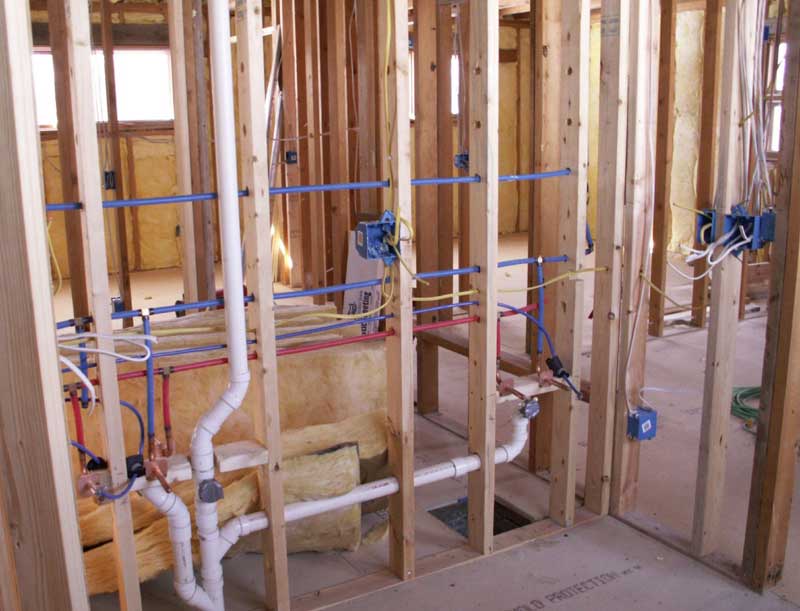
Flexible plastic pipe that’s become the standard for repiping. Cheaper than copper, faster to install, and resists freezing better. Comes in different colors for hot and cold lines. - Copper
Still a good choice if you want something that lasts forever. More expensive and takes longer to install. Some people prefer it aesthetically. - CPVC
Rigid plastic pipe. Less common now that PEX exists but still used sometimes.
We generally recommend PEX for most homes. It’s affordable, reliable, and easier to install with less wall damage.
Full House Repipe
This is replacing all your supply lines, hot and cold water throughout the house. Sounds extreme but in older homes with bad pipes, it’s the right move.
We’ll run new lines through walls, ceilings, and floors. Try to minimize wall damage but there’s no way around opening things up. We cut access holes strategically and patch them when done.
A typical house takes 2 to 4 days for a full repipe. Bigger houses or complex layouts take longer.
Your water’s gonna be shut off during active work. We try to have you functional by evening each day if possible.
Partial Pipe Replacement
Sometimes we can just replace problem sections. If you’ve got one corroded section but the rest is fine, no need to replace everything.
Common scenarios for partial replacement:
- Section under the slab that’s leaking
- Pipes in an exterior wall that keep freezing
- Bathroom supply lines during a remodel
- Kitchen pipes while updating that area


The Reality of Opening Walls
Pipe replacement means cutting into drywall. There’s no magic way around it. We try to minimize damage and we patch holes when done, but you’re looking at the texture and paint work after.
Budget for drywall and paint repairs on top of plumbing costs. Some plumbers include patching, others don’t. We’ll be clear upfront about what’s included.
Under Slab Pipe Replacement
Here in Farmers Branch, lots of homes have pipes running under the concrete slab foundation. When these leak, called slab leaks, access is tough.
Options are:
- Break through the slab
Jackhammer, fix the pipe, patch the concrete. Messy but sometimes necessary. - Reroute through walls or attic
Abandon the under-slab pipe and run new lines above. Often easier and not much more expensive.
Most times, we recommend rerouting. Breaking slabs is destructive and the other under-slab pipes are probably aging too.
Costs and Budgeting
Full house repipe runs 3000 to 8000 plus, depending on house size and complexity. That’s just the plumbing, add more for drywall and paint.
Partial replacements cost less but it depends on what’s being replaced and where.
Get multiple quotes but don’t just go with the cheapest. Quality matters. Cheap work often means problems down the road.
Permits and Codes
Pipe replacement requires permits. We handle pulling those. City inspectors will check the work before we close up the walls.
Everything has to meet current plumbing codes, even if your old stuff was grandfathered in. This is good, it means you’re getting a system that meets modern safety standards.
During the Project
Expect noise, dust, and workers in your home. We’re professional and respectful but construction is inherently disruptive.
Protect items you care about. Move valuables away from work areas. Cover furniture if needed.
Have a plan for daily life without full water access. You might need to go elsewhere for showers on some days.
After Replacement
Once new pipes are in, your pressure should be better, water clearer, and no more leaks. It’s actually a noticeable difference living with good pipes versus old, corroded ones.
New pipes come with warranties. PEX typically has 25-year warranties. Installation labor warranty varies by plumber, ours is backed for a year.


Long-Term Benefits
New pipes increase home value. When you sell, buyers will love knowing the plumbing is new.
No more emergency leak calls and water damage repairs. Peace of mind is worth something.
Better water quality and pressure improve daily life more than you’d expect.
Is It Time?
If your house is 50-plus years old with original pipes, start planning for replacement. You might get another 5 to 10 years out of them, or they might fail tomorrow. Being proactive is less stressful than dealing with emergencies.
Considering pipe replacement? My Local Plumber at http://www.mylocalplumber.net can assess your system and provide honest recommendations about what needs replacing.
