


If you’re facing issues with your water heater in Coppell, TX, it’s vital to identify the problem early to avoid bigger headaches down the road. You might notice strange noises, fluctuating temperatures, or even leaks. Understanding these signs can save you time and money. So, what steps should you take to troubleshoot effectively? Let’s investigate the common signs and practical techniques that can help you get your hot water back on track. When you need expert assistance, trusted Coppell water heater experts are ready to diagnose and resolve your issues quickly.
Common Signs of Water Heater Problems
When your water heater starts acting up, it can be frustrating, especially when you rely on hot water for daily tasks.
Look for common signs that indicate trouble. If you notice inconsistent water temperatures or lukewarm water when you expect it to be hot, your heater may be malfunctioning.
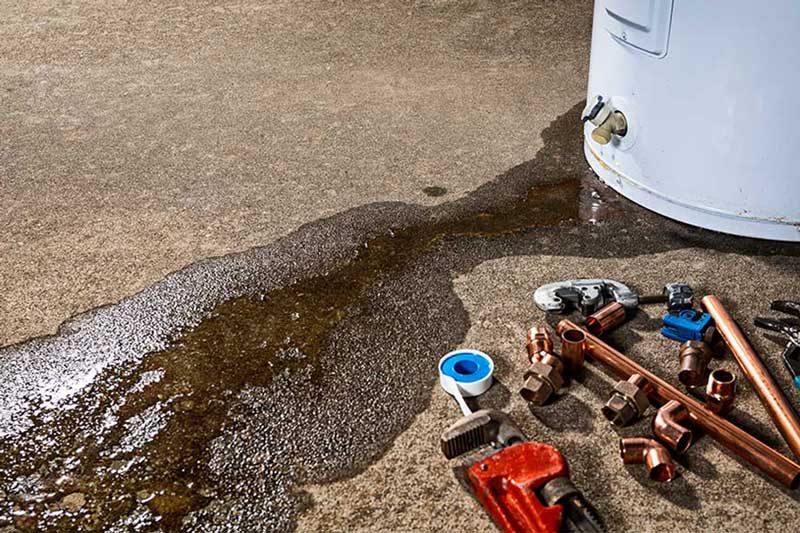
Strange noises, like popping or rumbling, often signal sediment build-up, which can affect efficiency. Water pooling around the base of the unit is a clear warning sign of leaks that need immediate attention.
Furthermore, if you detect a rusty or metallic taste in your hot water, it could mean corrosion inside the tank.
Keep an eye out for an unusual increase in your energy bills, as this might indicate your heater is working harder than it should.
Recognizing these signs early can save you time and money, ensuring you can get back to enjoying reliable hot water in no time.
Step-by-Step Troubleshooting Techniques
If you’ve noticed any signs of water heater problems, it’s time to take action. Start by checking the power supply. Verify the heater is plugged in, and the circuit breaker hasn’t tripped.
Next, inspect the thermostat settings; they should be around 120°F for ideal performance. If the water isn’t heating, it could be a faulty heating element; test it with a multimeter for continuity.
Next, look for leaks. Check around the tank and pipes for any water pooling. If you find any, tighten connections or replace damaged parts.
For strange noises, sediment buildup might be the culprit; consider flushing the tank to remove debris.
Finally, check the temperature relief valve by lifting its lever briefly. If water doesn’t flow or leaks persist, it might need replacement.
When to Call a Professional Plumber
Wondering when it’s time to call a professional plumber? If you’ve tried troubleshooting your water heater and still face issues, it’s wise to reach out for help. Signs like leaking water, strange noises, or inconsistent temperatures indicate a problem that needs expert attention.
If your water heater’s pilot light won’t stay lit or the system keeps tripping the circuit breaker, don’t hesitate to call in a pro. Experienced technicians offering professional water heater repair can quickly identify the root cause and implement effective solutions.
Furthermore, if you notice rust or sediment buildup, it’s best to get a licensed plumber involved before it leads to bigger issues.
In addition, if you’re unsure about the age of your unit or its maintenance history, consulting a professional can save you from future headaches.
Preventative Maintenance Tips
Regular maintenance is key to extending the life of your water heater and ensuring it operates efficiently.
Start by checking the pressure relief valve every six months; this simple test can prevent pressure buildup. Next, flush your water heater once a year to remove sediment buildup that can affect performance. Additionally, inspect the anode rod every few years; replacing it can greatly prolong your tank’s life.
Make sure to examine the area around your water heater for leaks or signs of corrosion. It’s wise to check the temperature setting—keeping it around 120°F balances comfort and safety.
Finally, consider scheduling a professional inspection annually to catch any potential issues early. With these proactive steps, you’ll help your water heater run smoothly for years to come, minimizing surprises when you need hot water the most.
Understanding Water Heater Lifespan and Replacement Options
How long can you expect your water heater to last? Typically, traditional tank water heaters last about 10 to 15 years, while tankless models can serve you for 20 years or more. Knowing this can help you plan for replacement before issues arise.
If your water heater is approaching its lifespan, it might be time to evaluate replacement options. You can choose between traditional tank heaters and energy-efficient tankless systems. For modern, space-saving solutions, consider tankless water heater installation that provides on-demand hot water while reducing energy costs.
Tankless heaters, while more expensive upfront, offer long-term savings on energy bills and require less space.
When selecting a new unit, reflect on your household’s hot water needs. Consulting with a professional, like My Local Plumber, can guide you in choosing the right system. Professional water heater replacement services ensure proper installation and optimal performance for years to come.
They’ll guarantee proper installation and provide valuable advice tailored to your specific situation. Remember, investing in a reliable water heater now can save you headaches down the road.
Take Control of Your Hot Water
As you stand in the dim light of your utility room, the hum of your water heater fills the air, but suddenly it sputters—a warning sign you can’t ignore. By following these troubleshooting steps and knowing when to call for help, you can tackle issues head-on and restore the comfort of hot water in your home. Don’t wait for the next cold shower to remind you; take action now and keep the warmth flowing. Ready to ensure your water heater is performing at its best? Schedule your water heater service today with My Local Plumber and experience the peace of mind that comes with expert care and reliable solutions.